
Contractors ERP and accounting software in Jordan: control site costs, subcontractors and cash flow.
the system helps Jordanian building, MEP and finishing contractors manage every project as an analytic cost centre with live budget-versus-actual tracking, site material requests, per-site stock locations, subcontractor bills, milestone invoicing and heavy equipment costs on one database. Isham Digital Solutions, a business software and hardware provider in Amman, configures the system honestly around real contracting gaps — including BOQ, retention and post-dated cheque workflows — and supplies site-engineer laptops, A3 drawing printers and Huawei Wi-Fi from one local team.
Last updated:
Daily problems Jordanian contracting company owners face
Running three, eight or fifteen concurrent building, electro-mechanical (MEP) or commercial fit-out sites across Amman, Aqaba, Zarqa and Irbid quickly breaks generic accounting software and scattered spreadsheets. General contractors and specialist subcontractors repeatedly tell us the exact same six pains:
Materials go out to sites and never come back
Cable drums, steel rebar, valves, paint pails and power tools are bought in bulk and sent to Site A, shifted informally to Site B, or left behind after handover — with zero visibility over what was consumed versus wasted or lost.
We only discover a project lost money months after handover
Site engineers approve emergency local purchases on WhatsApp, subcontractor variation claims arrive late, and equipment repairs hit general overhead — so the owner only sees the true margin six months after finishing the job.
Subcontractor progress bills get overpaid or duplicated
Tracking approved completion percentages, previous payment certificates, back-charges for site damages and 5% or 10% retention holdbacks across spreadsheets invites double billing and heated settlement disputes.
Post-dated cheques ambush cash flow at the wrong week
Jordanian contracting runs heavily on incoming and outgoing post-dated cheques. When cheque maturity dates sit in separate folders outside accounting, bank balances suffer sudden surprises while client cheques sit uncollected.
Site purchase requests bypass tender budgets
Purchasing issues POs urgently to keep crews working without checking whether concrete, switchgear or finishing material spend has already exceeded the original tender allowance for that cost line.
Drawings, variation orders and site photos live on personal phones
When a consultant challenges an approved shop drawing or variation instruction, project managers waste hours scrolling through old chat groups searching for signed copies.
How one contracting project runs inside the system from tender win to final retention release.
Walk through a typical commercial fit-out or building contract in Amman step by step, naming the exact System module handling each stage — and noting where tailored setup completes the picture.
Opening the project cost centre and tender budget (Project Management & Accounting Analytics)
Upon contract award, management creates a Project linked to a dedicated Analytic Account (cost centre) in Accounting. The approved tender estimate is loaded into Analytic Budgets broken down by trade or cost line (civil works, MEP, finishing, subcontracting, site overhead) so every subsequent dinar spent compares automatically against budget.
Setting up each construction site as a stock location (Inventory Management)
Inventory Management opens a dedicated internal Stock Location for the site alongside the central yard. Materials bought directly for the job or transferred from central stores post into the site location, and surplus cable, tiles or scaffolding returning at handover are transferred back cleanly rather than written off.
Site material requests and budget-checked procurement (System modulerovals & Purchasing)
The site engineer submits a digital material request from a laptop or phone through System modulerovals. Project managers and procurement review available central yard stock first, request competing vendor RFQs in Purchasing, verify the line against the project analytic budget, and issue an approved Purchase Order with three-way bill matching.
Subcontractor agreements, progress bills and site labour (Purchasing & Timesheets)
Subcontractor contracts run as tracked blanket or staged Purchase Orders tagged to the project's Analytic Account, preventing vendor bills from exceeding agreed work-package totals. Own site engineers, technicians and direct crews log hours via the system Timesheets so direct labour cost posts straight into the project P&L.
Heavy machinery, vehicles and shop drawings (Fleet Management, Maintenance & Documents)
Generators, excavators, cranes and service pickups are tracked in Fleet Management and Maintenance with fuel logs, servicing schedules and driver custody, allocating operating costs to active sites. Approved architectural drawings, RFIs, consultant approvals and variation orders stay indexed by project inside the system Documents.
Progress or milestone invoicing and JoFotara submission (Sales & Order Management & Invoicing)
Client contracts map to Project Milestones in Sales & Order Management and Project. As the consultant certifies each engineering milestone, finance generates the progress invoice in JOD (three decimals), accounts for agreed advance recovery or retention via configured lines/accounts, and submits the tax invoice through our Jordan e-invoicing module for JoFotara (confirming exact filing obligations with ISTD or your accountant).
Post-dated cheque tracking and live project margin control (Accounting)
Incoming client cheques and outgoing supplier/subcontractor cheques are managed through configured interim clearing accounts or a dedicated PDC module so finance views upcoming cheque maturities week by week alongside live Tender Budget vs Actual profitability for every active site.
Project cost centres, tender budgets — and an honest word about BOQ in our system
Every contractor asks the same first question: does the system handle Bills of Quantities (BOQ) and tender pricing out of the box? Here is the plain truth: the system has no built-in Bill of Quantities (BOQ) module natively. Anyone telling you the core system ships with full civil-engineering BOQ hierarchy, itemised unit-rate build-ups and interim payment certificates (IPCs) without extra work is overselling it.
In real Jordanian implementations, we handle tender budgets cleanly in two ways depending on project size: mid-sized MEP and finishing contractors use the system Analytic Plans and Analytic Budgets paired with structured Sales Quotation sections and the system Spreadsheets for BOQ cost-versus-actual tracking; larger general contractors who require formal multi-level BOQ item numbering, cumulative IPC certificates and variation-order tracking add a dedicated configuration or construction add-on scoped transparently during discovery.
Site stock locations, subcontractor bills, retention, post-dated cheques and equipment
Controlling material leakage is where contracting ERPs pay back fastest. Treating every active site as an internal location in Inventory Management — paired with mandatory transfer notes between the main yard, site stores and final consumption — closes the blind spot where expensive fittings and tools vanish. Subcontractor vendor bills tie strictly to approved purchase agreements tagged with the site's Analytic Account, so finance spots over-billing before cutting a cheque.
Three local realities in Jordan — advance payments (الدفعات المقدمة), performance/defect retention (محجوز الضمان), and post-dated cheques (الشيكات المؤجلة) — require explicit accounting discipline. Standard Accounting supports advance/down-payment invoices natively, while automated retention holdback schedules and full post-dated cheque portfolio tracking (maturity alerts, bounce handling, endorsement and bank clearance) rely on configured clearing accounts or a dedicated add-on — scoped openly before you sign. Equipment, mixers, pickups and heavy fleet expenses connect via Fleet Management and Maintenance so machine maintenance and fuel never distort head-office overhead.
What is included out of the box vs advanced tier vs custom setup
Use this honest our ERP system checklist when comparing ERP proposals for your contracting company in Jordan. Every row is checked against system specifications so you know upfront what is native and what requires tailored setup.
| Contracting company need | System module | Standard, Enterprise only, or extra setup |
|---|---|---|
| Projects, tasks & milestone checkpoints | Project | Standard (included in core system) |
| Each site as a stock location & inter-site transfers | Inventory | Standard (included in core system) |
| Supplier RFQs, POs & subcontractor purchase tracking | Purchase | Standard (included in core system) |
| Milestone-based client invoicing & down-payment advances | Sales & Project | Standard (included in core system) |
| Vehicle registry, fuel logs, drivers & maintenance logs | Fleet & Maintenance | Standard (included in core system) |
| Full project cost centres (Analytic Plans) & Analytic Budgets | Accounting (Analytics & Budgets) | Advanced / Enterprise tier |
| Multi-level site material request & purchase approval chains | Approvals | Advanced / Enterprise tier |
| Full Jordan accounting, 3-decimal JOD & JoFotara e-invoicing | Accounting (`l10n_jo`, `l10n_jo_edi`) | Advanced / Enterprise tier |
| Site drawings, contracts, RFIs & signed variation archive | Documents | Advanced / Enterprise tier |
| Advanced timesheet profitability & project billing rates | Timesheets + Accounting | Core timesheets standard; full financial profitability in Enterprise |
| Built-in Bill of Quantities (BOQ) & cumulative IPC certificates | No native the system BOQ module | Needs configuration or an add-on — ask us |
| Automated contractor & subcontractor retention schedules (5%–10%) | Accounting + custom setup/module | Needs configuration or an add-on — ask us |
| Post-dated cheque (PDC) register, maturity alerts & clearance | Accounting + PDC setup/module | Needs configuration or an add-on — ask us |
Jordan tax, JoFotara e-invoicing and bilingual Arabic contracting reports
Contracting firms in Jordan issue progress invoices, retention releases and variation billings in Jordanian dinars (to three decimal places) while reporting sales tax and submitting electronic invoices where required under Jordan's ISTD tax framework. our Jordan localisation sets up the local chart of accounts, tax rules and bilingual Arabic/English PDF layouts, while the Jordan e-invoicing module submits invoices to JoFotara using your ISTD portal credentials (confirm your exact tax and JoFotara obligations with ISTD or your accountant).
Because Isham Digital Solutions operates its own business live on our ERP system in Amman — including analytic tracking, helpdesk, inventory and JoFotara invoicing — we configure financial structures that Jordanian accountants and external auditors actually understand. See also accounting software in Jordan and JoFotara e-invoicing setup
Laptops for site engineers, A3 drawing printers and Huawei Wi-Fi from Isham.
Site teams cannot submit timely material requests or review shop drawings on failing gear. Isham supplies business laptops, A3 printers for plans and tender schedules, and reliable Huawei Wi-Fi routers for head offices and site cabins — delivered across Jordan for 3 JD, free over 50 JD.
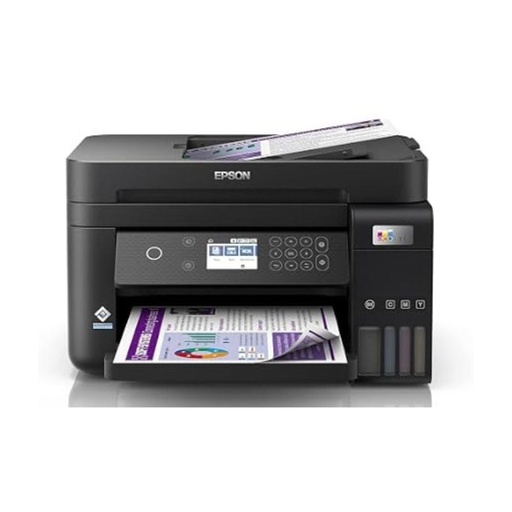 Ink Tank Printers
Epson EcoTank L14150 A3+ Multifunction Wi-Fi Ink Tank Printer – Duplex Printing
550.000 د.ا
 Business Laptops
ASUS NEW Vivobook 15 (2025) X1504 Intel Core 7 10-Cores Fast Charge Better Sound Military-Grade
579.000 د.ا
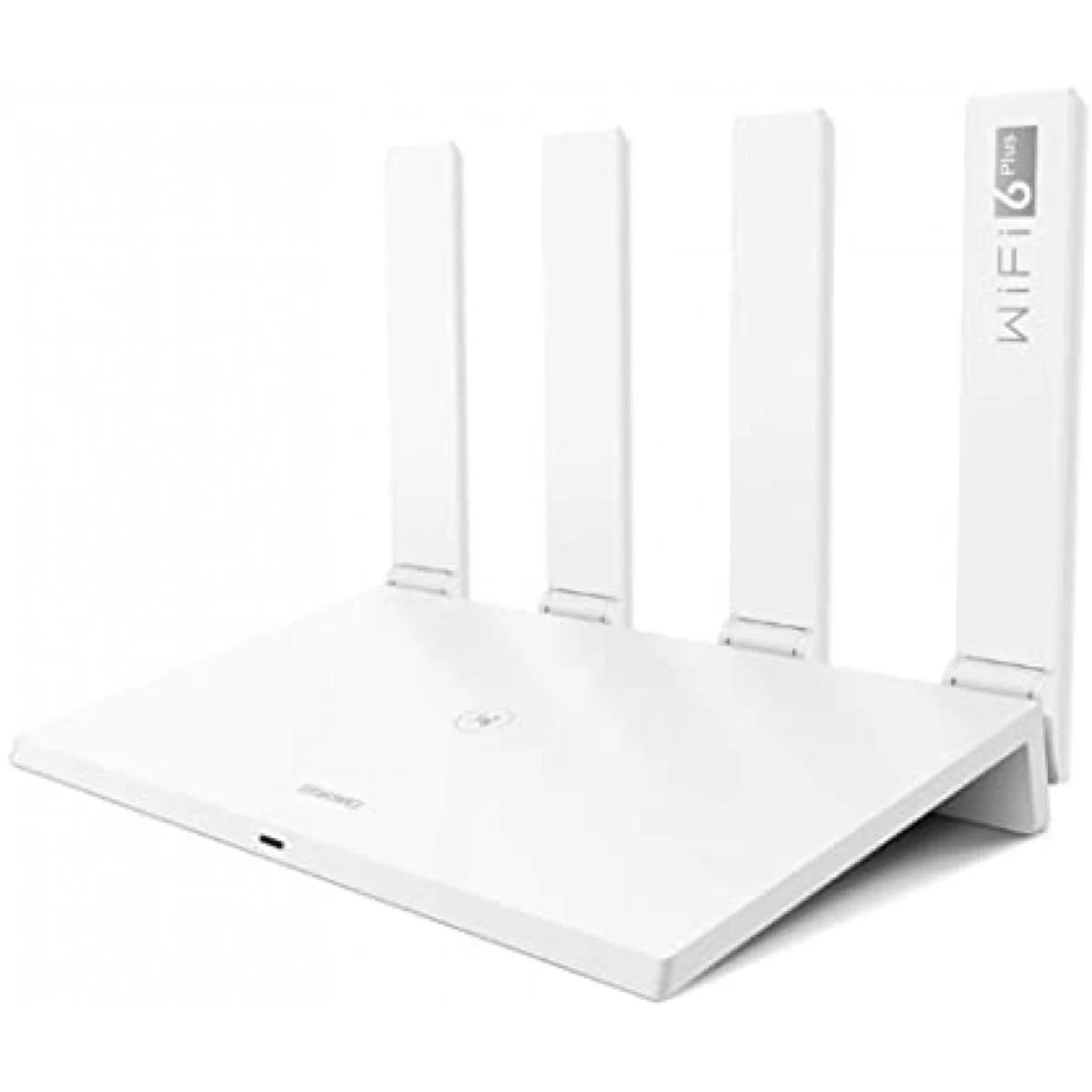 Network Devices
HUAWEI WS7100-20 AX3 WiFi 6 Plus Smart WiFi Router AX3 Dual-core 3000Mbps 2.4GHz 5GHz Dual-Band
35.000 د.ا
 Business Laptops
AI Business Laptop Lenovo ThinkPad E16 Gen 3 | Intel® Core™ Ultra 5 225U 12 Core 4.8GHz, Intel® AI Boost, 16GB DDR5 (Customized), 512GB SSD, 16" WUXGA IPS w/ 15.6" Laptop Casual Toploader - 2 Year Warranty
869.000 د.ا
 Business Laptops
AI Laptop Lenovo ThinkPad E16 Gen 3 , Intel® Core™ Ultra 7 256V Up to 4.8GHz Intel® Arc™ 140V GPU, 16GB LPDDR5X-8533 (not upgradable), 1TB SSD, 16" FHD+ With Casual Toploader - 2 Years Warranty
969.000 د.ا
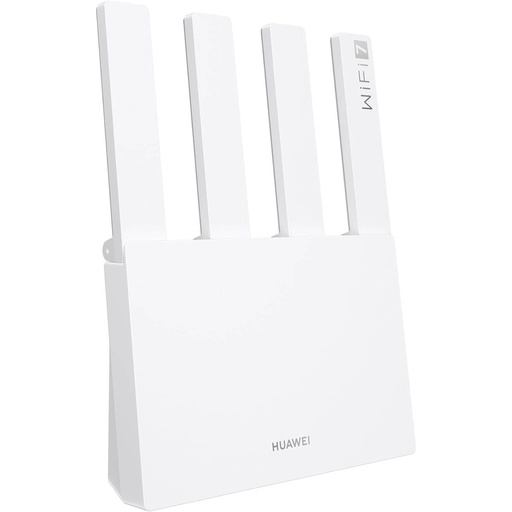 Network Devices
HUAWEI WiFi BE3 Extremely Fast Wi-Fi 7 With 3.6 Gbps BE3600 Dual-Band Router, WAN/LAN Auto Adaptation (1x2.5GE, 3xGE), EasySetting
49.990 د.ا
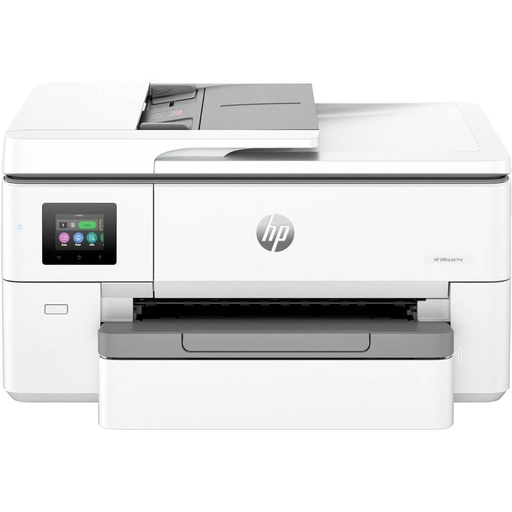 Inkjet Printers
HP OfficeJet Pro 9720 Wide Format All-in-One Printer, Color, Print, Copy, Scan, Wireless, Automatic document feeder, Two-sided printing, Scan to pdf, Touchscreen, Cement Maximum printer media size A3
149.000 د.ا
 Laser Printers
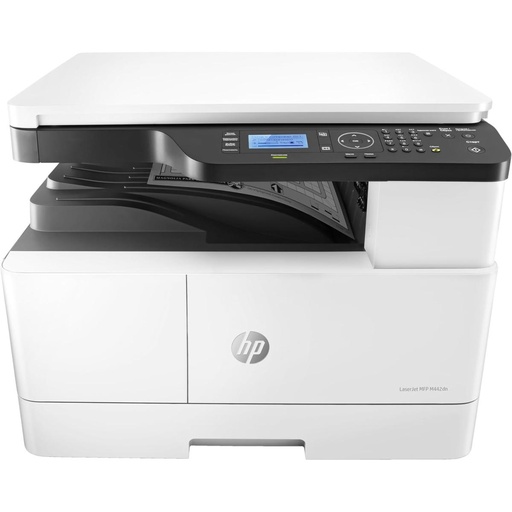
HP LaserJet MFP M442dn A3 Monochrome Multifunction Laser Printer up to 24 ppm Black , Up to 1200 x 1200 dpi Resolution, 4-line LCD Display · 8AF71A
599.000 د.ا
Questions Jordanian contractors ask about Business ERP.
Want to map your active sites, subcontractors and cheque flow? Book a free consultation
Does our ERP system have a built-in Bill of Quantities (BOQ) module for contractors?
No — our ERP system has no native BOQ module out of the box. For mid-sized contractors we combine Analytic Budgets with structured quotations and Spreadsheets, while full multi-level BOQ and cumulative IPC tracking need tailored configuration or an add-on — ask us.
How does our ERP system track project cost centres and tender budgets versus actuals?
Advanced / Enterprise tier Analytic Plans and Analytic Budgets turn each contracting project into an isolated cost centre so every material PO, subcontractor bill, site labour hour and equipment charge updates budget-versus-actual reports live.
Can each construction site act as its own stock location?
Yes. Standard our Inventory module tracks each active job site as an internal location alongside your main yard, recording dispatches, site-to-site transfers and surplus material returns accurately.
How are subcontractor bills, retention and post-dated cheques handled in our system?
Subcontractor contracts run via tagged Purchase Orders and down-payment invoices work natively, while automated retention schedules and full Jordan post-dated cheque (PDC) maturity portfolios need configuration or an add-on — ask us during discovery.
Can our ERP system track heavy equipment, pickups, site labour and drawings?
Yes. our Fleet module and Maintenance track machinery and vehicles, our ERP system Timesheets captures direct crew hours and Advanced / Enterprise tier Documents archives drawings, RFIs and signed variation instructions per site.
Does our ERP system work in Arabic with Jordan JOD accounting and JoFotara?
Yes. our ERP system offers full Arabic right-to-left interfaces, three-decimal JOD accounting, local sales tax and Jordan e-invoicing modules for JoFotara (confirm your tax obligation with ISTD or your accountant).
Can you migrate open projects, vendor balances and old spreadsheets into our platform?
Yes. We clean partner accounts, active site balances, open supplier bills and opening ledger accounts, reconciling figures with your finance manager before cutover.
How much does contracting ERP software cost and how long does rollout take?
Total budget and timeline depend on user count, Advanced / Enterprise tier modules, BOQ or PDC customisation depth, active site count and any laptops, A3 printers or Huawei Wi-Fi supplied. Book a free consultation for a written phased quote.
Track every project budget, site transfer and subcontractor claim in real time.
Message us directly on WhatsApp to see our contracting ERP and site hardware setup.